






 Wondering how restorative dentistry can fix damaged teeth? It restores the function and look of your smile using crowns, bridges, implants, or dentures effectively.
Is your smile holding you back? In Lansdale, Kevin Bass DMD offers transformative restorative dentistry solutions to help you smile confidently again. A healthy mouth is vital for your overall health and personal confidence. Living with dental pain or hiding your teeth when you laugh can significantly impact your daily life. Fortunately, advanced dental care provides effective ways to repair and renew your teeth.
What is Restorative Dentistry?
Restorative dentistry focuses on diagnosing, preventing, and treating oral diseases while repairing damaged or missing teeth. The main purpose is to bring back the natural function of your bite and the structural integrity of your jaw. This field of dental care goes beyond simple aesthetics. By rebuilding the foundation of your mouth, these treatments improve your ability to chew, speak clearly, and maintain proper jaw alignment over time.
Common Issues Restorative Dentistry Can Address
Many people experience dental challenges that require professional intervention. Missing teeth can cause surrounding teeth to shift out of place and lead to bone loss in the jaw. Damaged or decayed teeth often cause severe pain and sensitivity, making eating a difficult chore. Worn-down teeth resulting from grinding can weaken your enamel and expose nerve endings. Furthermore, noticeable gaps in your smile can make you feel self-conscious and trap harmful bacteria. Restorative procedures are specifically designed to tackle all these complex oral health problems.
Treatment Options Available at Our Lansdale Office
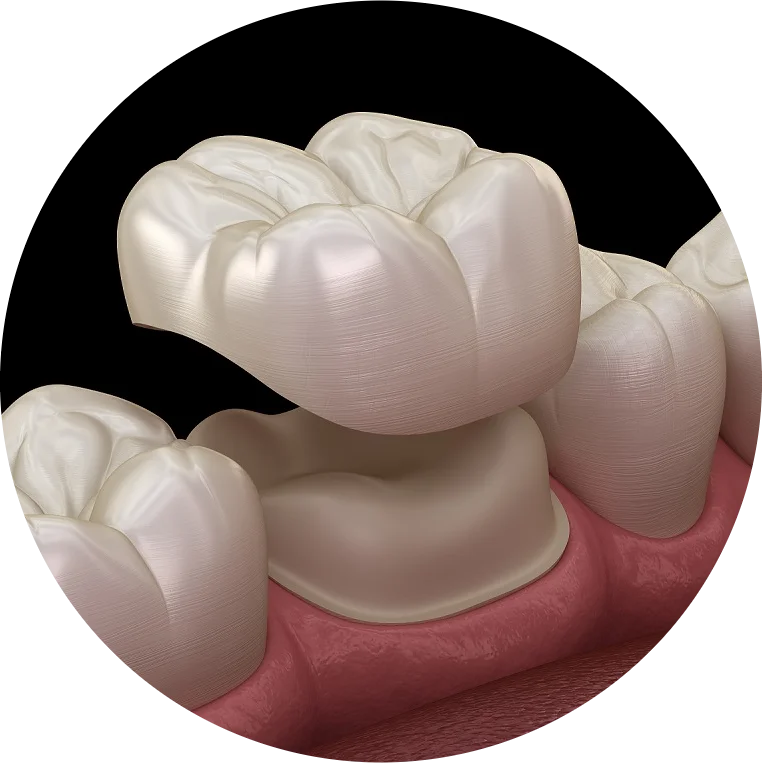
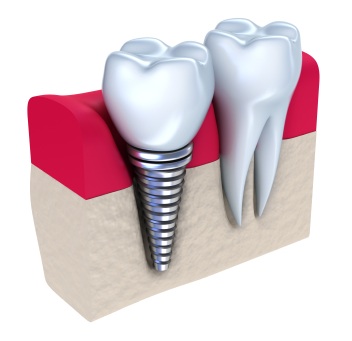
Several reliable treatments exist to fix these common dental issues. Dental crowns act as protective caps that repair severely damaged teeth and provide a secure anchor for dental bridges. Dental bridges offer a great way to replace missing teeth by creating a seamless, natural look that blends with your existing smile. For a more durable, long-term solution, dental implants replace both the tooth root and the visible crown, stimulating jawbone growth. Dentures remain a classic choice for full smile restoration, and modern implant-supported options provide incredible security so your teeth never slip out of place.
How to Choose the Right Treatment for You
Selecting the perfect dental procedure depends on a few critical factors. You must consider the severity of your specific dental issue, your current budget, and your long-term oral health goals. A customized approach is essential for achieving the best results. Scheduling a personalized consultation allows your dentist to thoroughly examine your mouth and recommend the safest, most effective path forward for your unique situation.
Why Choose Kevin Bass DMD for Your Care?
Finding the right professional makes all the difference in your dental journey. With profound expertise in restorative dentistry, the team provides state-of-the-art technology alongside compassionate, personalized care. Patients receive treatments utilizing the latest advancements in dental science to ensure comfort and precision. The conveniently located office proudly serves residents across Lansdale, Montgomeryville, and Hatfield, making high-quality dental care accessible for the local community.
Take the First Step Toward a Rejuvenated Smile
A healthy, confident smile is entirely within your reach. You do not have to live with dental discomfort or hide your teeth any longer. Contact the office today to schedule your consultation and explore the incredible benefits of restorative dentistry.
Contact Kevin Bass DMD Cosmetic and Family Dentistry:
215-368-1424
Location (Tap to open in Google Maps):
410 N Broad St
Lansdale, Pennsylvania
19446








 (215)-368-1424
